Platja de Muro
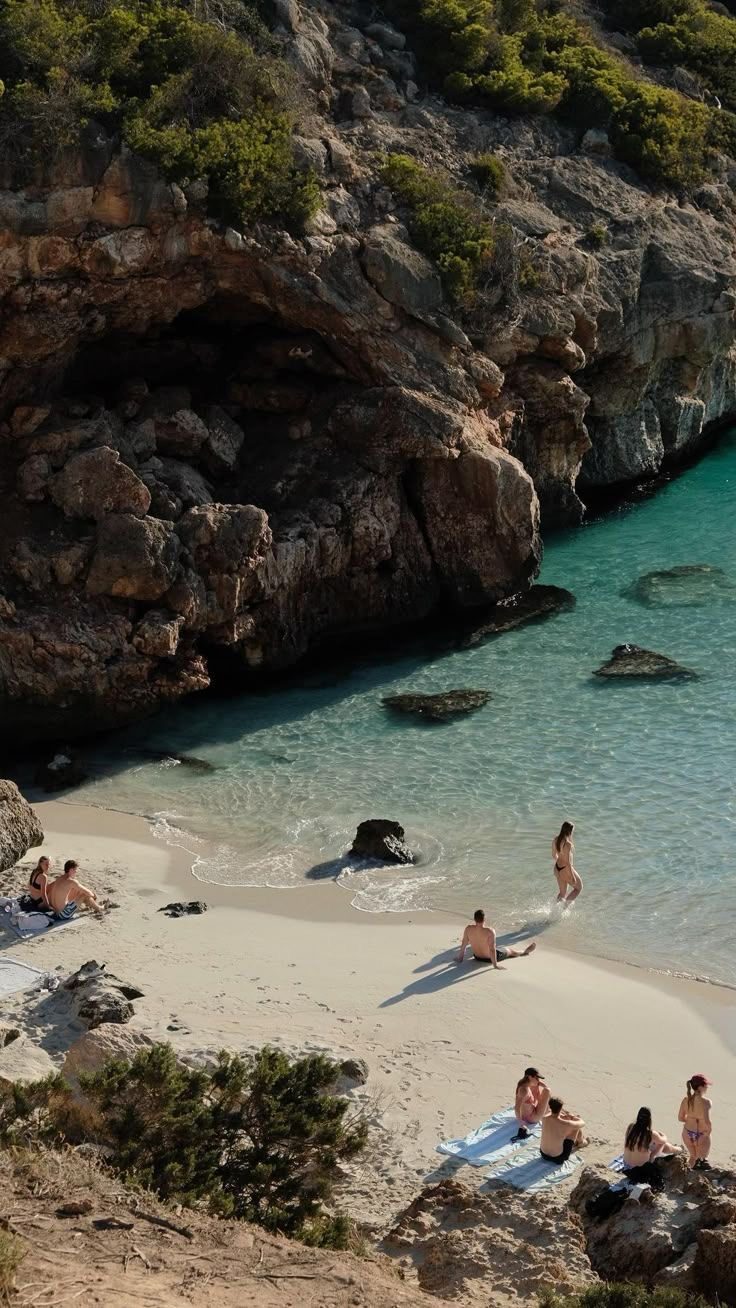
30 minFive kilometres of fine sand that stays knee-deep a long way out, pines behind it. The sector by the Albufera is the quiet one.
Our tipPark at the Es Comú end and walk south.
Beaches, tables, climbs, coves and the days that work with children. Times are from the gate, by car.
Nothing is on our doorstep; everything is under an hour. Go early in July and August, or after five. The north coast is calm when the south has wind, and the other way round.
Five kilometres of fine sand that stays knee-deep a long way out, pines behind it. The sector by the Albufera is the quiet one.
Three small coves ten minutes from Palma, pine shade, clear water, sunbeds if you want them.
Four coves under the cliffs of the Cavall Bernat ridge. Cala Barques is the big one; Cala Clara and Cala Molins are the ones we go to.
Three coves at the end of a pine track; the middle one is shallow and sheltered. Caves cut into the rock on the walk.
The long one: white sand, dunes, water the colour of the postcards, no buildings. Shallow for a long way.
Pebbles, deep green water, two restaurants on the rocks. Not for small children; perfect for a long lunch and a swim after.
Two sandy coves in a natural park, joined by a ten-minute path. Shallow, calm, pines to sit under.
The famous one and its calmer neighbour. Caló des Moro is a scramble down and has become busy; Llombards next door is easy and nearly as good.
Pine-shaded sand facing the bay, the mountains behind. The road is closed to cars at midday in summer; the bus from Port de Pollença is the way in.
Dunes and surf on the wild corner of the island. Cala Torta, down a rough track, is the one with nobody on it.
The quiet cove next to Sa Calobra, at the foot of Puig Major. The drive down is the point; so is the water.
Illetes and Cala Comtesa (10 min west); Portals Vells (30 min); Cala Major for a quick dip.
Port de Sóller for the children; Cala Deià for lunch; Cala Tuent by boat.
Cala Sant Vicenç; Formentor; Platja de Muro; Coll Baix if you will walk forty minutes.
Cala Llombards, Mondragó, S'Amarador, Caló des Moro; Es Trenc twenty minutes west.
Book everything in July and August, and most things on a Saturday. Lunch is at two, dinner at nine; nobody will seat you at seven and mean it. The names are in our black book of restaurants, places and itineraries, which guests receive.
An old wine cellar with the barrels still in it; Mallorcan cooking, big portions, local families on Sunday.
A converted mill with a garden; German-Mallorcan kitchen, a serious wine list, the place for the dinner you dress for.
Shoulder of lamb from the wood oven, in a farmhouse halfway up the mountain. Rough, loud, exactly right.
Two sisters, a tasting menu from their own garden, in a village house at the foot of the mountains. The best cooking on this side of the island.
A proper celler: stone vaults, barrels, Mallorcan classics done carefully. Thursday, after the market.
Wineries in our own municipality and in Binissalem, Consell (home to the oldest on the island) and Santa Maria. All do tastings; we book them.
Vermouth on tap, anchovies, gildas, the bar you stand at before dinner.
Tapas at the bar, forty years of them, no reservations, no fuss.
White tablecloths, fish by weight, waiters who have been there longer than the chairs.
The one Michelin star you can book at a week's notice and enjoy without a lecture. Lunch menu is the value.
The market in the morning, then the streets around it for dinner, a dozen places to choose from.
One for the spectacle (fruit, flowers, opera, once); cocktail bars off Plaça Mercat for the serious ones; a rooftop for the view.
Paella cooked over wood on a rock above the sea, reached by a forty-minute walk down from Son Marroig or by boat from Port de Sóller. Sunset.
Tables above the sea, a family that has cooked there for forty years, a star now, still generous.
Fish on the rocks over the cove; the one from the television series, still worth it.
Feet in the sand, rice dishes, music from five; the beach club that is also a restaurant.
One of these a day is plenty. Markets are mornings; the Tramuntana villages are for lunch and a slow afternoon.
The oldest market on the island, with the livestock still sold at the top of town: lambs, chickens, a donkey. Children love it. Go by nine.
Our market: cheese, sobrassada, olives, plants, the bakery queue. The chef shops here.
Big and useful: leather (the town's trade), produce, hardware. Lunch at a celler after.
The prettiest: honey-stone square, ceramics, linen, then a cove. Also Wednesday, smaller.
Around the square and up the side streets; then the 365 steps of the Calvari, then lunch.
Mercat de l'Olivar for fish and the bars inside; Santa Catalina for the neighbourhood around it.
Oranges, the modernist square, the wooden tram to the port. Ice cream on the square; the Saturday market.
The two mountain villages everyone photographs. Valldemossa for the monastery and the coca de patata; Deià for the cove and the walk to it.
Alaró is the handsome village nearest us; the road on to Orient is the prettiest ten kilometres on the island, through a valley of cherries and oak.
The best town square on the island for a long lunch; the Roman bridge; the Calvari steps; the port ten minutes on.
Walled sanctuary above a working town, Tuesday market, the caves of Artà (quieter than Drach) and the wild beaches beyond.
The cathedral early, the old town on foot, Es Baluard for the art, Santa Catalina for lunch, the sea wall at dusk. One full day, or three half days.
The monastery in the mountains, the walk to the cross, and Caimari on the way back for lunch.
The holy hill of the Pla: three sanctuaries, the whole island from the top, a quiet restaurant at the monastery.
The lanes of the Pla de Mallorca, the island's flat farming heartland, are quiet and signposted. The mountains are forty minutes away. Guests rent their bikes in advance themselves.
Sencelles to Sineu, Petra, Montuïri, Algaida and back on farm lanes, with a coffee in Sineu and almost no cars.
Alaró, up the valley to Orient, over the Coll d'Honor to Bunyola, back through Santa Maria. The nicest short mountain ride on the island.
A short, steady climb to the sanctuary with the whole Pla below. The warm-up climb for the week.
From Caimari, the classic entry into the Tramuntana: switchbacks through the oaks to the monastery.
Down first, then up: 26 hairpins from the sea to the Coll dels Reis. The most famous climb in Spain, and it is on our island.
Port de Pollença to the lighthouse and back, cliffs on both sides. Early, before the cars.
From Sóller up the long side of the island's highest road, past the reservoirs. For the strong week.
Rent road bikes or e-bikes before you arrive. Tell us the week and the legs and we will suggest the routes.
The Tramuntana is a World Heritage range thirty-five minutes away. Start early from June to September, carry more water than you think, and tell us the route.
The hill above Inca with a hermitage on top and the whole Pla below. The before-breakfast one.
Up through the oaks to a castle on a crag; lunch at a farmhouse on the way down.
A cobbled pilgrim path up a gorge of terraces and orange groves above Sóller. The most beautiful short walk on the island.
The Archduke's path from Valldemossa along the cliff tops, the sea a thousand feet below.
The highest summit you are allowed to climb (Puig Major is military), from Lluc. A proper day.
Along the coast from the Mirador de ses Barques to the cove, a swim, and the boat back from Sa Calobra to Port de Sóller.
Down the canyon from Escorca to the sea at Sa Calobra: boulders, pools, cliffs. Dry months only, with a guide.
The old postal path from Esporles to Banyalbufar through holm oak and terraces, ending at a village above the sea.
We arrange all of these: a skipper, the boat that suits the group and lunch. Two days' notice in summer.
The Mallorcan wooden boat, slow and shaded: Cala Sant Vicenç, the coves under Formentor, lunch at anchor. The family day.
Faster and further: round the cape, into the sea caves, Cala Figuera, back for lunch at Cala Barques.
The public boat along the cliffs to the mouth of the Torrent de Pareis: the best cheap day on the island. Swim, lunch, boat back.
A fifteen-minute boat to an island nature reserve: lizards, a lighthouse walk, a swim off the jetty.
The national park island an hour south: a castle, the blue cave, water like glass. Numbers are limited; we book weeks ahead.
A yacht for the day along the south-west coast, or a sunset sail with dinner on board for the last night.
Padel is the island's game; every town has courts and most take bookings by app. We book for you.
Clay and hard courts, padel, a gym and a pool, open to visitors by the hour; coaching for adults and children. The serious day.
Municipal and club courts in each town, bookable by the hour; rackets to borrow.
The old city club: clay courts under the pines, a pool, a good restaurant. Day passes for visitors.
Tennis and padel at the island's biggest racquet club; tournaments through the spring.
Guided paddles along the cliffs to coves with no road; boards for the bay. From age eight.
Cliff jumps and swims along the Alcúdia peninsula; the canyons of the Tramuntana with a guide in the dry months.
Courses within thirty minutes, one of them with sea views. Tee times through us.
Hacks through the countryside and up to the mountain; ponies for small children.
Less of the theme parks, more of the island. Most of these are mornings; the pool is the afternoon.
A small animal park in the countryside next door: lemurs, kangaroos, farm animals, a playground, shade. Two hours, no queues.
Lambs, rabbits, chicks and a donkey or two, sold the way they were a century ago. Then a pastry in the square.
Springs that burst out of the ground in a holm-oak wood after heavy rain, and a shady walk whenever. Caves of Campanet next door, quieter than Drach.
The 1912 wooden train from Palma over the mountains to Sóller, then the tram to the port and the beach. Touristy, and worth it once.
The shallowest safe beach on the island, and bikes along the wetland paths behind it to see the birds.
A short boat, an island of lizards that eat from your hand, a lighthouse to walk to, a jetty to jump off.
Waterfalls, a mountain walk made for small legs, goats and eagles. Shade all day.
Count them up to the chapel, ice cream in the square after, the Roman bridge on the way out.
Pizza-making on Friday; the donkey next door; the fruit garden (pick what is ripe); the shallow end; a paella lesson in the garden for the older ones.
The two bigger-ticket days, if it rains or they insist: a rope course in the pines, and a good aquarium by the airport.
Loose on purpose. Swap any day for the pool.
Arrive. Easy spin of the Pla loop, 40 km, on rented bikes, to open the legs.
Dinner at the long table.
Castell d'Alaró on foot before the heat; lamb on the way down; swim; padel at six.
Sa Calobra at seven, down and up, coffee at Lluc, descend the Batalla to Caimari.
Lunch in Caimari. Nothing after.
Sea day: kayak the cliffs from Cala Sant Vicenç in the morning, coasteering at Alcúdia after lunch.
Puig de Massanella from Lluc, 5–6 hours, the island's roof.
Massage at the house at six.
The tennis academy in Manacor: a morning of tennis or padel with a coach, the pool after.
A celler in Inca on the way home.
Formentor by bike at dawn, 40 km; boat from Port de Pollença at eleven; lunch at anchor; asleep by ten.
Arrive, pool, pizza from the oven.
Santa Maria market at nine; the animal park at eleven; the pool by two.
Platja de Muro all morning; ice cream at the port of Alcúdia.
Sóller by train from Palma, the tram to the port, a swim, the train back.
Sineu animal market; a quiet afternoon; a paella lesson in the garden.
Llaüt from Port de Pollença: coves, lunch on board, jumping off the back.
Es Trenc from Ses Covetes early; Santanyí for lunch; the last swim at home.
Palma: cathedral, old town, vermouth in the old town, dinner in Santa Catalina. Home by eleven.
Wineries: two tastings with the sommelier, lunch at the second; the pool; dinner at a converted mill at nine.
Deià: the walk down to the cove, lunch on the rocks at the cove, Valldemossa at six when the coaches have gone.
Castell d'Alaró before breakfast, lamb on the way down, the airport in twenty minutes.
Times are from the gate by car and are approximate. Opening days change by season; we confirm anything you want to book. The house keeps this guide up to date; tell us what we have missed.